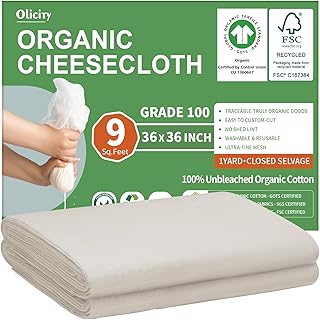
For centuries, a simple piece of fabric has been a silent hero in kitchens, dairies, and craft rooms around the world. That hero is cheesecloth. Far more than just a tool for making cheese, this versatile, gauzy cotton cloth is a multi-purpose workhorse that deserves a permanent spot in every home. Whether you're a serious home cook, a DIY enthusiast, or a budding cheesemaker, understanding the different types and uses of cheesecloth can elevate your projects from good to great.
What Exactly is Cheesecloth?
At its core, cheesecloth is a lightweight, loose-woven cotton fabric. Its defining characteristic is its open weave, which allows liquids to pass through while trapping solids. This simple principle is what makes it so incredibly useful. Traditionally, it was used to drain the whey from curds during cheese making, hence the name. Today, its applications have expanded far beyond the dairy.
Understanding Cheesecloth Grades: Why It Matters
Not all cheesecloth is created equal. It comes in numbered grades that indicate the tightness of the weave, which directly affects its filtering capability. The most common grades you'll encounter are 10, 40, 50, 60, 80, 90, and 100. A lower number means a looser, more open weave, while a higher number indicates a tighter, finer mesh.
For tasks requiring ultra-fine straining, like clarifying butter or making silky-smooth nut milks, Grade 100 cheesecloth is the gold standard. Often referred to as "butter muslin," its dense weave captures the tiniest particles. Products like the Cotton Farm Grade 100 XL Cheese Cloth are perfect for these demanding applications. For general kitchen tasks like food straining stocks or bundling herbs, a Grade 60 or 80 is often sufficient and more economical.
Top Uses for Your Kitchen Cheesecloth
The culinary uses for cheesecloth are nearly endless. It's a true cooking essential.
Straining and Filtering
This is its classic role. Use it to strain yogurt to make Greek yogurt or labneh, clarify homemade broths and stocks, filter fruit pulp from fresh juices, or separate curds from whey in cheesemaking. A 6-Pack of precut, hemmed cheesecloth is ideal for these frequent tasks.
Herb and Spice Bundling
Create a classic bouquet garni by tying herbs like thyme, parsley, and bay leaves inside a small square of cheesecloth. This allows their flavors to infuse soups, stews, and sauces without leaving behind stray leaves and stems.
Poaching and Cooking
When cooking turkey or chicken, placing aromatics like onions, celery, and citrus inside the cavity wrapped in cheesecloth makes for easy removal after roasting. It's also excellent for wrapping delicate fish or forming poached egg parcels.
Basting and Greasing
A small piece of cheesecloth can be used to gently baste meats with pan juices or melted butter. It can also be dipped in oil and used to evenly grease baking pans.
Beyond the Kitchen: Creative and Craft Uses
Cheesecloth isn't confined to culinary arts. Its texture and drape make it a favorite in the world of DIY crafts.
- Costuming and Decor: It can be dyed and manipulated to create ghostly Halloween costumes, rustic table runners, or soft window treatments.
- Plant Ties: Its soft, breathable nature makes it perfect for gently staking plants without damaging stems.
- Cleaning and Polishing: Its lint-free quality makes it excellent for polishing glass, silver, and other delicate surfaces without leaving scratches or fibers behind.
Choosing the Right Cheesecloth for You
With so many options, how do you choose? Consider these factors based on our comprehensive Cheesecloth Guide:
Material: Always opt for 100% cotton. It's food-safe, absorbent, and reusable. You can choose between unbleached (natural beige) and bleached (white). Unbleached is often preferred for its lack of chemical processing, while bleached varieties like the GoodCook Everyday Cotton Cheesecloth offer a pristine look.
Features: Look for hemmed or finished edges. This prevents fraying and makes the cloth much more durable and easier to handle. Products like the 12Pcs Reusable Cheese Cloths with 4 hemmed edges are built to last through many washes.
Size and Pack: Do you need a large single piece for big projects, or are smaller, precut squares more convenient for daily use? A 4-pack of 15x15 inch precut squares is handy for small batches, while a large 36x36 inch piece offers versatility.
Certifications: For the most natural option, seek out organic and certified products. The GOTS Certified Organic Cheese Cloths ensure an environmentally friendly and chemical-free choice from field to fabric.
Care and Maintenance: Making Your Cheesecloth Last
One of the best features of quality cotton cheesecloth is that it's reusable. After use, simply rinse it thoroughly under cold water to remove food particles. For deeper cleaning, hand-wash or machine wash on a gentle cycle with mild detergent. Avoid fabric softeners, as they can coat the fibers and reduce absorbency. Always air dry. With proper care, a good cheesecloth can be used dozens of times, making it an economical and sustainable choice.
From straining the perfect broth to creating a spooky Halloween decoration, cheesecloth is a testament to the power of simple, well-designed tools. Whether you invest in a premium High-Grade 100 pack for serious cooking or a versatile multi-pack like the Mostdream 10-piece set, having this humble fabric on hand will unlock a world of culinary and creative possibilities. Explore more insights and detailed comparisons in our Ultimate Guide to Cheesecloth.